


Programmes
Politics & International Relations
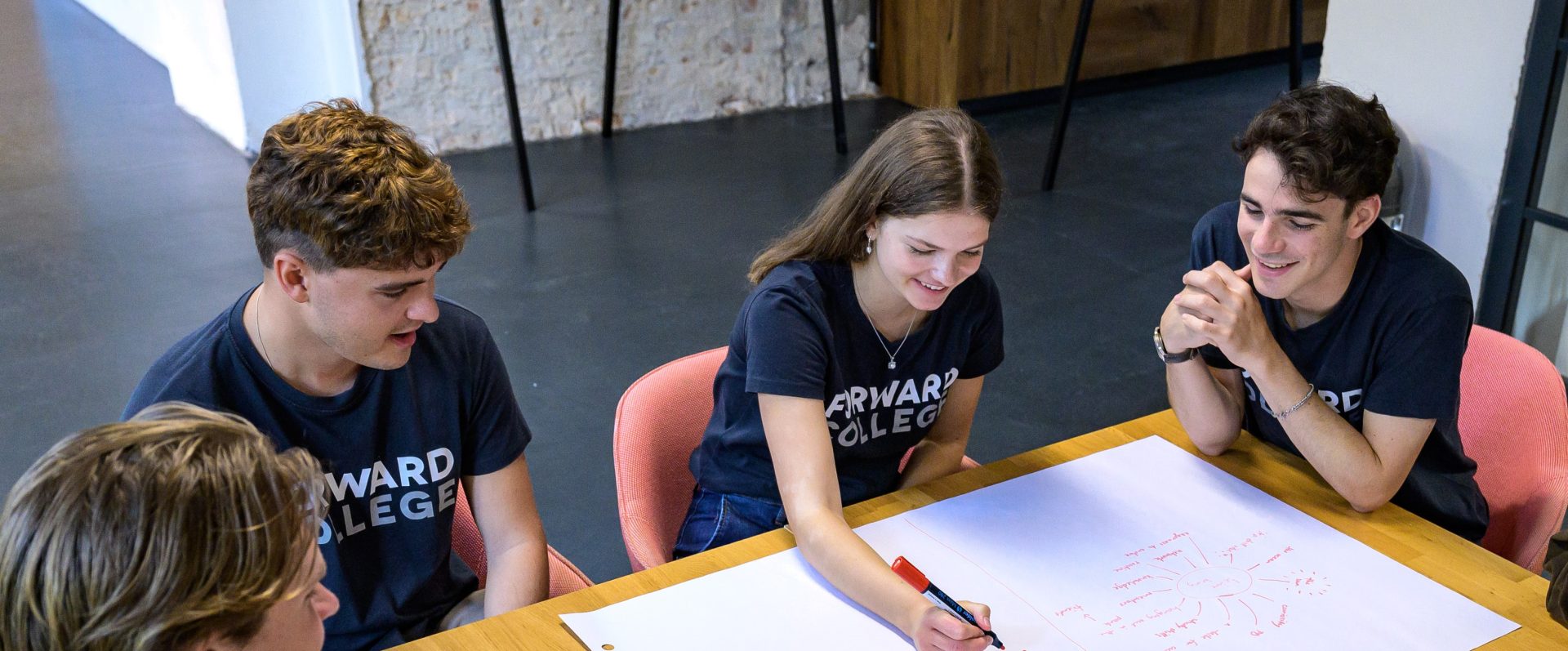
These degrees offer the opportunity to explore the debates, ideas, and issues that permeate global affairs. The modules will provide you with the theoretical tools you need to gain a well-rounded understanding of the world around you and of your place in it. You will also be empowered to use an array of lenses to develop your insight into how and why global events occur and how the world can be changed for the better.
Why choose
Politics and International Relations
- Politics and International Relations offers a highly complex but flexible degree programme which allows students to explore such diverse subjects as Political Science, Philosophy, History, and Business Studies
- Develop a real-world expertise into current political affairs, across the European campuses as well as globally
- Learn the skills that will make you highly employable in a vast range of industries and sectors, and empower yourself with a deeper insight of the world around you and of your place within it
- Develop a high level proficiency in advanced academic writing, speaking and debating to work in the world’s best global affairs private and public sectors
Programmes
with a major in Politics & International Relations
Students who are:
- Interested in global politics, diplomacy, or international relations
- Curious about how governments and global institutions operate and interact
- Natural analytical thinkers who enjoy engaging with current events and global issues
- Eager to pursue an interdisciplinary and globally focused degree
- Aiming for careers in public policy, NGOs, or international organisations
- Global Political Knowledge: Gain deep understanding of core theories, debates, and global political issues.
- Political Thought & Comparison: Explore influential thinkers and how political science compares societies across time and place.
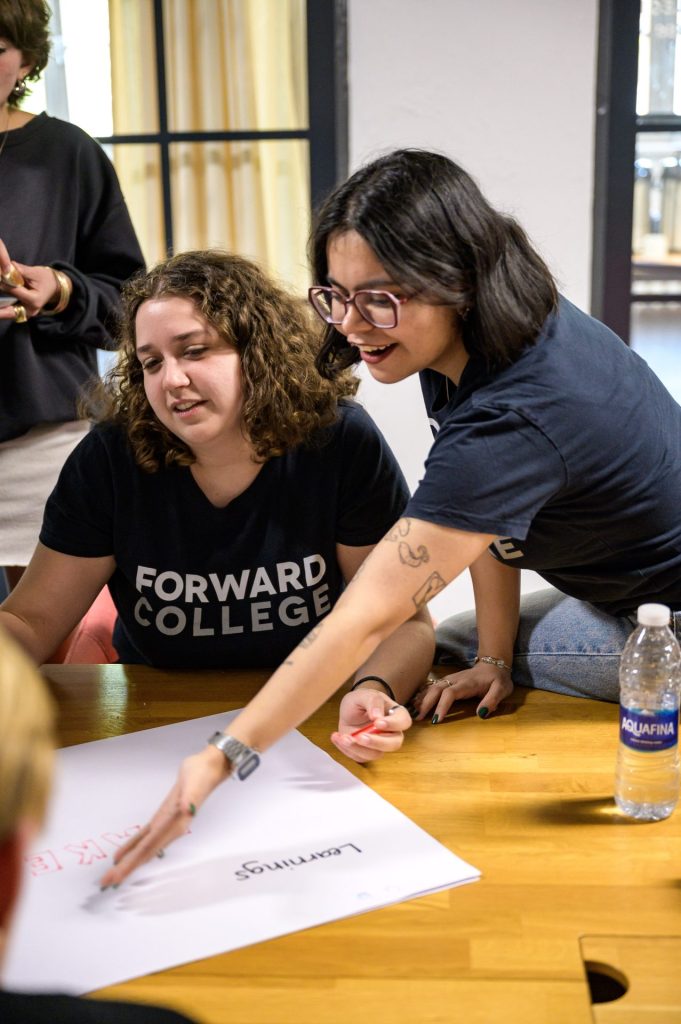
- Applied Learning: Engage with real-world problems through debates, role-plays, and collaborative projects.
- Professional Skillset: Build key skills in teamwork, communication, digital tools, and critical and creative thinking.
- Personal Development: Reflect on your strengths, growth areas, and future aspirations.
Forward College Bachelor’s tuition programme includes:
- 100% small group teaching (on average 15 students per class)
- Weekly one-on-one tutoring for individualised feedback and guidance
- Frequent evaluations to track your progress throughout the year and ensure your success at the final exams
- Induction programme where you will better understand your learning style and adopt the most relevant learning methods for you
Job Market
Our Politics and International Relations degrees equip students with valuable intellectual and practical skills, opening doors to a wide range of career opportunities.
Graduates have gone on to work in:
International organisations and NGOs: Plan International, OECD, World Forum (Berlin), European Youth Parliament (Germany), Great Ormond Street Children’s Hospital Charity
Government and diplomacy: German Parliament (Berlin), Consulate of Finland (Rabat), Investment Office of the Presidency of the Republic of Türkiye (Paris), Ministry of Foreign Affairs at the Embassy in Warsaw, European Commission Representation in France, Service Civique in Académie du Climat
Other sectors: banking and finance, media and publishing, education, and local and national government roles
Master’s Opportunities
Many students also pursue further study, receiving offers from top institutions such as:
Sciences Po
London School of Economics (LSE)
Hertie School
King’s College London
Popular postgraduate fields include: international affairs, law, human rights, business administration, and international development.





Some of the Companies where our graduates work

What sets this programme apart?
World class Bachelor’s
designed by the LSE
International
3 years, 3 countries, 100% international students
High quality teaching
100% small classes (~15 students)
Leadership programme
Entrepreneurship, Digital skills, Soft skills
Pathway to top master’s
76%* admitted in a top 10 European university or Business School


Meet our faculty members for this degree
Dr. Martin Binder
Director of Research and Associate Professor of International Relations
Dr. Ryan Woodgate
External Academic Affairs Coordinator & Assistant Professor of Economics

Dr. Cleo Davies
Assistant Professor in Politics and International Relations
Dr. Ruairidh J.Brown
Head of Philosophy, Politics, and International Relations
Dr. Elisabetta Nadalutti
Assistant Professor in Politics, International Relations, and Development Studies
Dr. Christof Royer
Assistant professor of International Relations and Teaching and Learning Coordinator in Paris
Antonio Dias
Assistant Professor of Politics and International Relations
Dr. Miguel Filipe Silva
Lecturer in History, Politics and International Relations

FAQ
Students pursuing Politics & International Relations study political science and international relations, including global politics, diplomacy, and public policy.
Politics & International Relations graduates can pursue careers in government, diplomacy, NGOs, international organisations, or consulting.
Politics & International Relations students develop analytical thinking, critical reasoning, and the ability to understand complex global issues.
Yes, Politics & International Relations is a good choice for international careers as it prepares students for roles in global organisations, public policy, and international environments.
Yes, Politics & International Relations graduates pursue postgraduate studies in international relations, political science, law, or public policy.
Many of our Politics & International Relations graduates continue their studies at leading universities, including Sciences Po, the London School of Economics (LSE), King’s College London and Hertie School. Others begin their careers at international organisations and public institutions such as the OECD, European Commission, Plan International, the German Parliament and the Ministry of Foreign Affairs, as well as across diplomacy, finance, media and education.
For Politics and International Relations, average weekly contact time varies by pathway, with Bachelor’s students attending 8–10 hours per week, Bachelor’s+ students 12–13 hours, and Double Bachelor’s students 14–15 hours. In addition, all students complete approximately 2 hours of formative assessment per week and attend a 20-minute 1:1 academic tutorial. Students should also expect around 4 hours of self-study time per week, including preparation for formative assessments, regardless of programme.
Typically, classes are scheduled across 4 days per week, although some terms may occasionally include 3 or 5 teaching days.
Students should expect around 2 hours of preparation per course each week, including readings, assignments, and “Learning Cells” group work with 2–3 students.
Yes, the class timetable remains fixed throughout the term. Assessments and tutorials are scheduled in addition to regular classes. The full schedule is shared before the start of the term, while tutorial sessions are booked by students through available fellow time slots.
 FAQ
FAQ
Accreditations and Award
Forward College is a Recognised Teaching Centre of the University of London (UoL). As such, our students are also students of the University of London and will graduate from the University of London […]
Learn more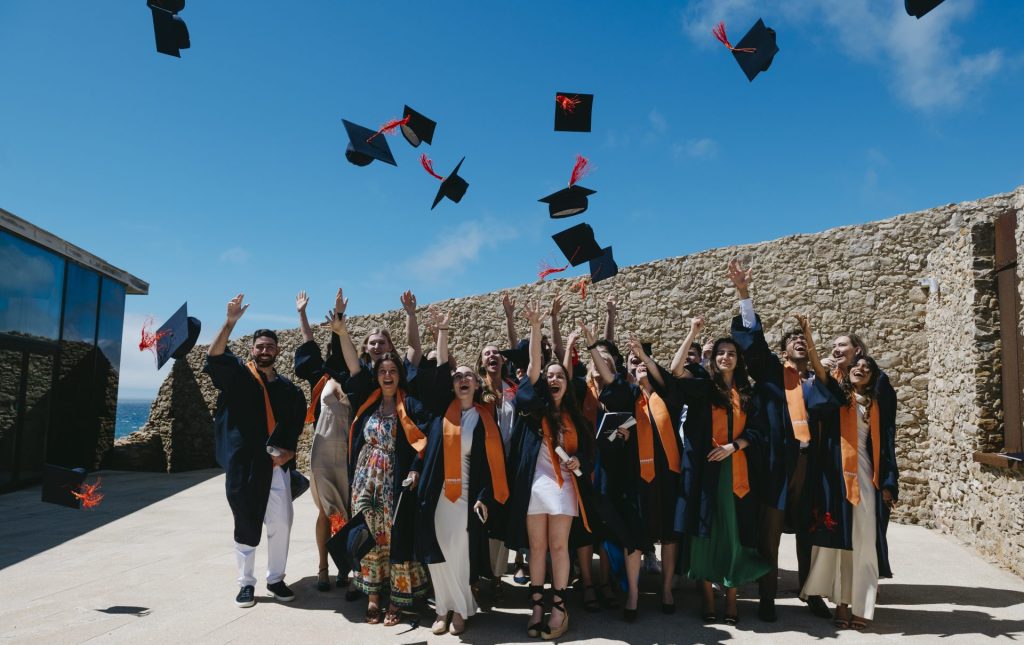
Careers after Forward
Most of our graduates apply to top Master’s around the world either following the academic field they have invested in – with a natural path towards master programmes at LSE and King’s College […]
Learn moreWant to learn more about our BSc in Politics & International Relations?
Watch the recording of our webinar to explore the structure of the programme, experience a typical class, and discover the academic journey and career paths it can open.