


Meet the Forward Consulting Society
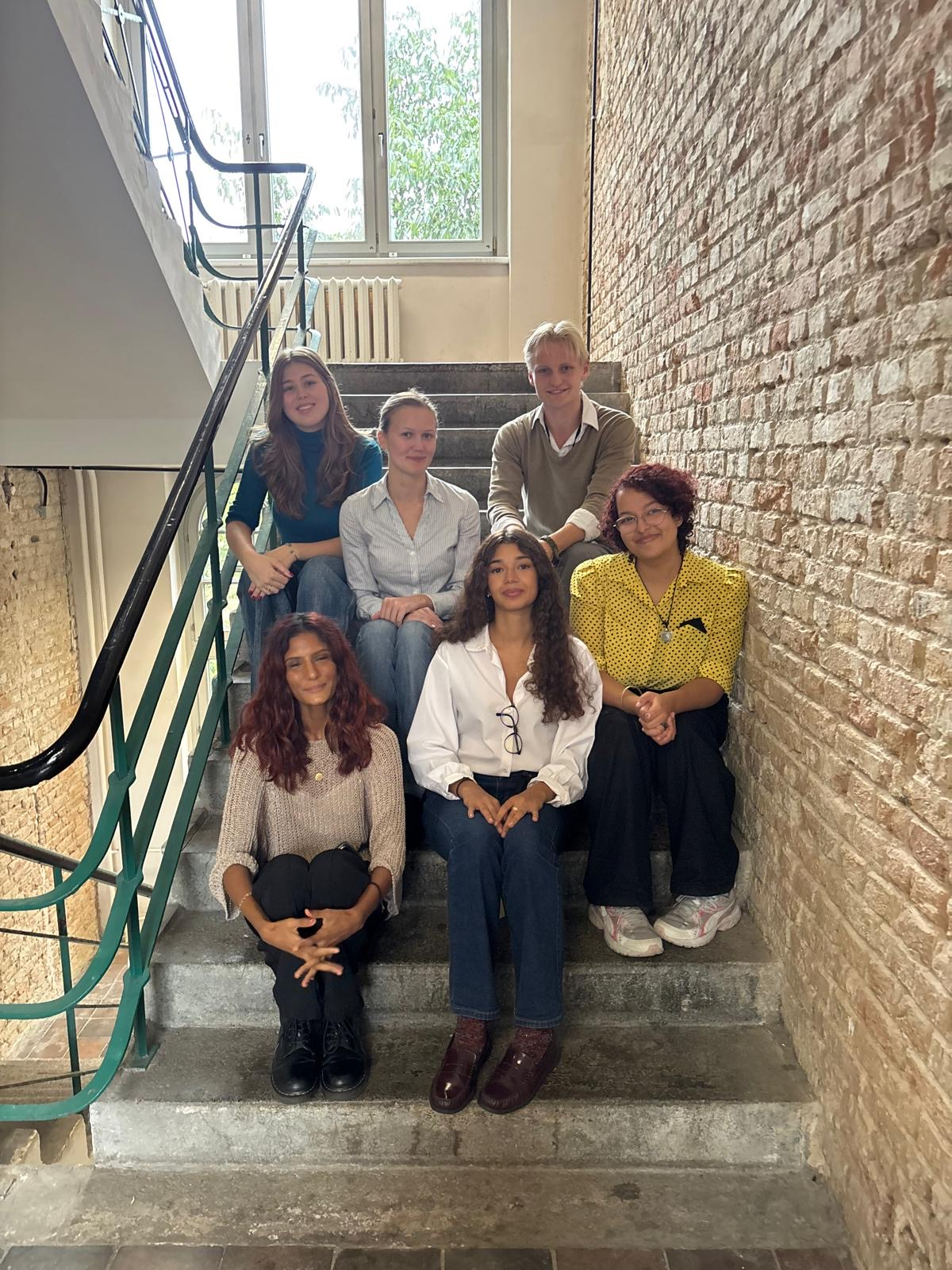
At Forward College, learning doesn’t stop at the classroom door. Our students are encouraged to turn curiosity into action, and the Forward Consulting Society is a great example. Started by a group of Forward students, it gives their peers a hands-on way to build real-world skills, work on practical projects and get closer to the world of consulting, whatever their programme or year.
We sat down with the team behind it to find out what members can gain, how anyone can get involved, and what it takes to turn an idea into something that benefits a whole community.
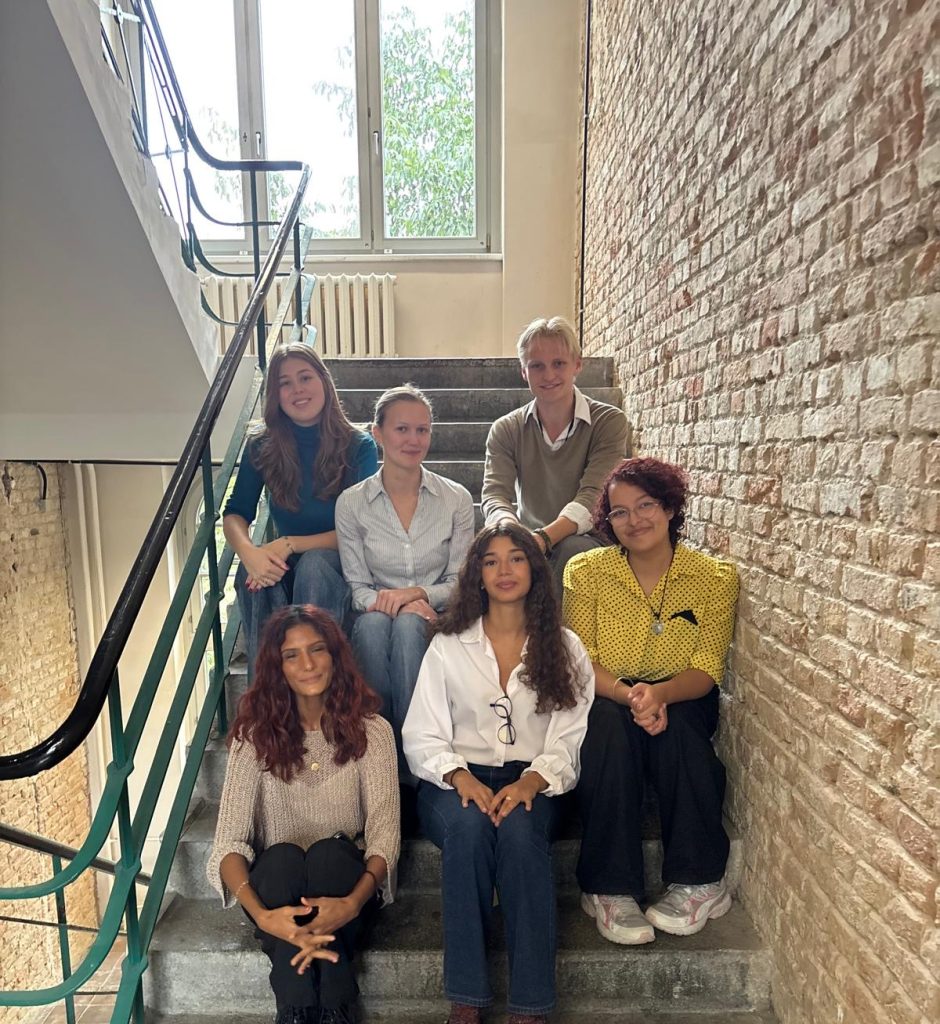
Q1: What is the Forward Consulting Society, and what can Forward students gain from joining?
The Forward Consulting Society is a student-led society that aims to bridge the gap between the consulting world and Forward students. It gives students practical exposure to consulting through case practice, speaker events, career development, project work and a community of like-minded peers who want to learn and build together.
Q2: What will a member gain in practice?
Members gain consulting-related experience through weekly case practice, market and industry research, workshops, guest speaker sessions and potential projects with external partners.
They also develop CV-ready skills such as structured problem-solving, teamwork, presentation, research, outreach and leadership. These skills are useful not only in consulting but also across many other career paths.
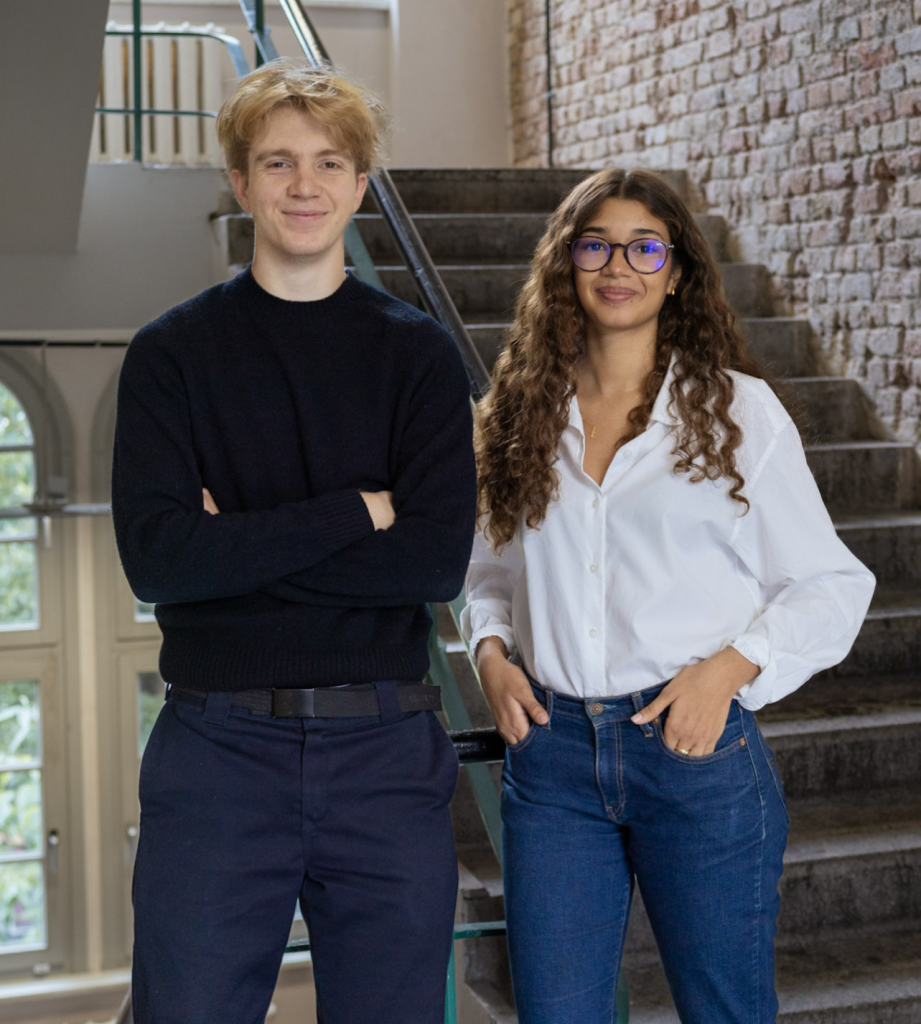
Q3: Who can join the society? Do students need to be interested in a consulting career, or is it open to all programmes and year groups?
The Forward Consulting Society (FCS) is open to Forward College students from any programme and year group. We currently have 38 members from different academic backgrounds and with varying levels of experience.
You don’t need to be fully committed to a career in consulting to join. What I personally like about consulting is its breadth and ambiguity: one day, you might be advising a jewellery company, and the next, you could be helping restructure a hotel chain.
This variety makes consulting a great way to develop problem-solving, strategic thinking, communication and analytical skills that are useful in many different career paths.

Q4: What have members already gained from the society? Can you share examples of cases they’ve worked on, skills they’ve developed or contacts they’ve made?
So far, members have taken part in weekly consulting case practice sessions, working through business problems involving strategy, market analysis and profitability.
We’ve also hosted three guest speaker sessions with industry professionals and alumni from companies such as EY and Accenture, as well as consulting boutiques. These sessions have helped members better understand consulting careers, recruitment processes and real professional experiences. During our case practice sessions, we’ve covered topics such as profitability, market entry, market sizing, mergers and acquisitions, as well as unconventional cases. We also organised a small case competition during one of our meetings.
All our research, case materials and content are available on our website for members to use.
Q5: How can students join the society, and how much time does membership require?
Students can join by filling out the membership application form, which is shared with all cohorts.
The time commitment depends on the role they choose: leadership team member or general team member. Members are encouraged to attend one weekly one-hour session, during which we work through consulting cases together.
Leadership team members also attend a 30-minute meeting every other week with the Berlin leadership team. Beyond these sessions, involvement in organisation, communication, outreach, events, projects, case competitions and cross-campus initiatives is flexible and depends on each student’s interests and availability.

Q6: Are you planning workshops, case competitions or events with external partners that other students can take part in?
Yes, definitely. We already have new guest speakers lined up for this year and are currently exploring potential projects and opportunities with external consulting partners.
We want to grow the society and maximise learning opportunities, which often means applying knowledge directly through practical projects.
We also want to build on the case materials and workshops developed during FCS’s first year and support students who want to take part in case competitions or cross-campus initiatives involving Berlin, Paris and Lisbon.
We’re currently exploring several possibilities to offer students a meaningful learning experience.
Q7: What’s the one thing you hope a member will say about the society a year from now?
This is a question we have been asking during our member interviews. Even though every student joins with different interests, we hope that a year from now, members will be able to say: “I helped build something meaningful, challenged myself alongside ambitious peers and professionals, and accessed opportunities I would not have found on my own.”
Peter Drucker’s quote, “The best way to predict the future is to create it,” reflects what FCS aims to encourage in its members: initiative, proactiveness, and commitment. When motivated students come together with the same ambition to learn and build, we can create opportunities that would not otherwise exist.